

5,500+ certified practitioners worldwide
Heal Yourself. Heal Others.
The Integrative Health Practitioner Institute (IHPI) provides accredited health coach certification programs that teach root-cause wellness, functional lab analysis, and integrative health coaching.
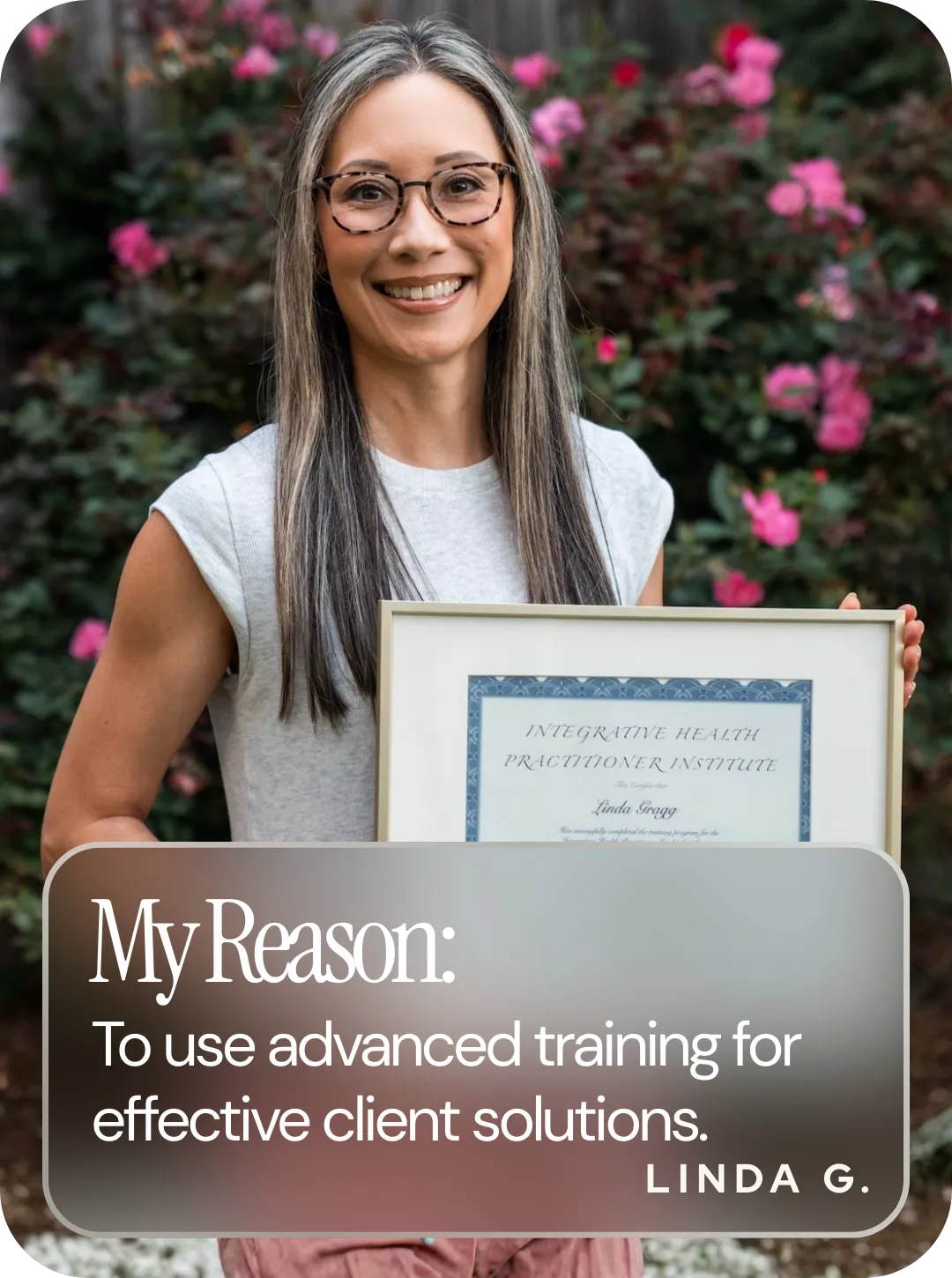
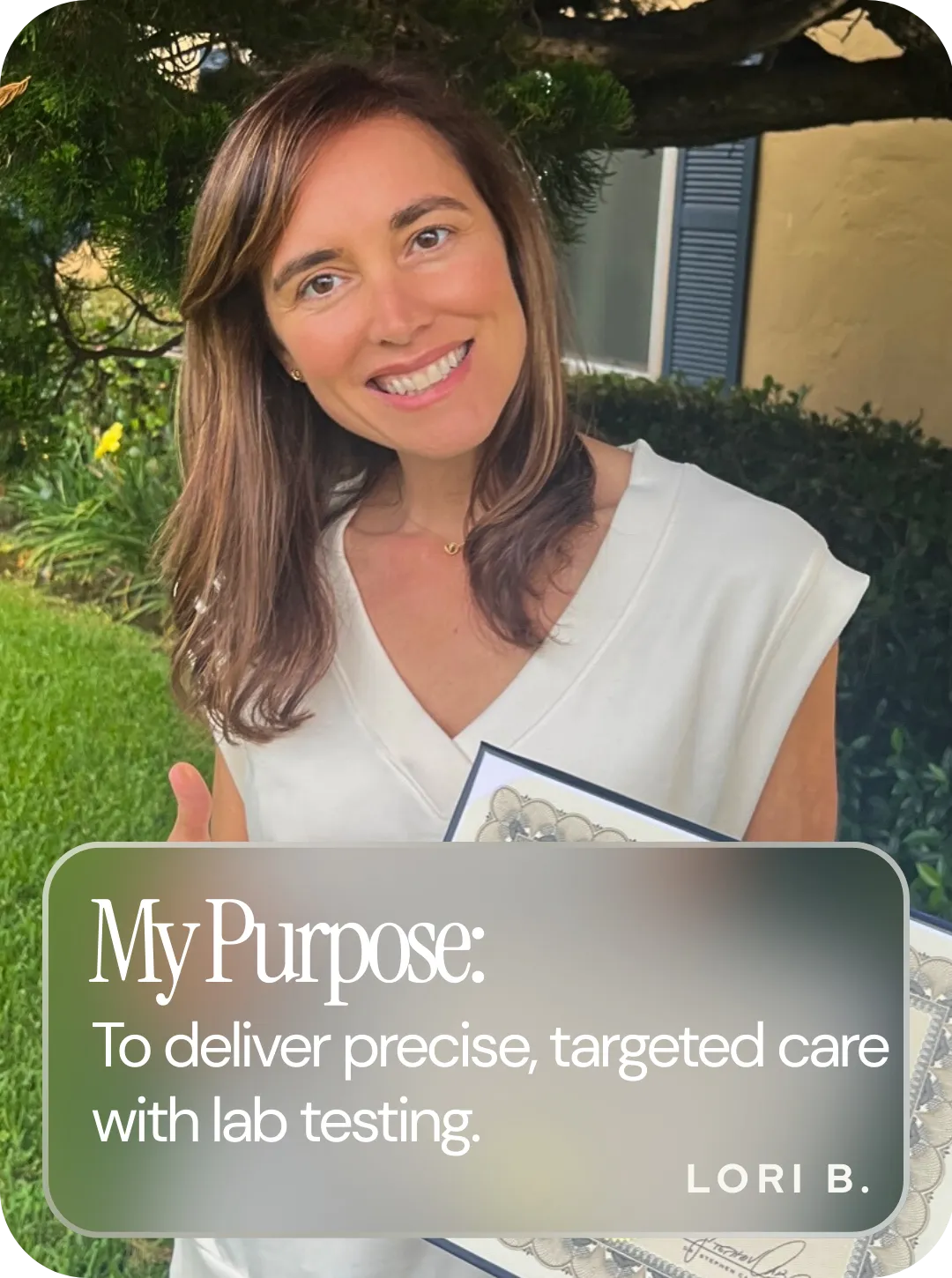
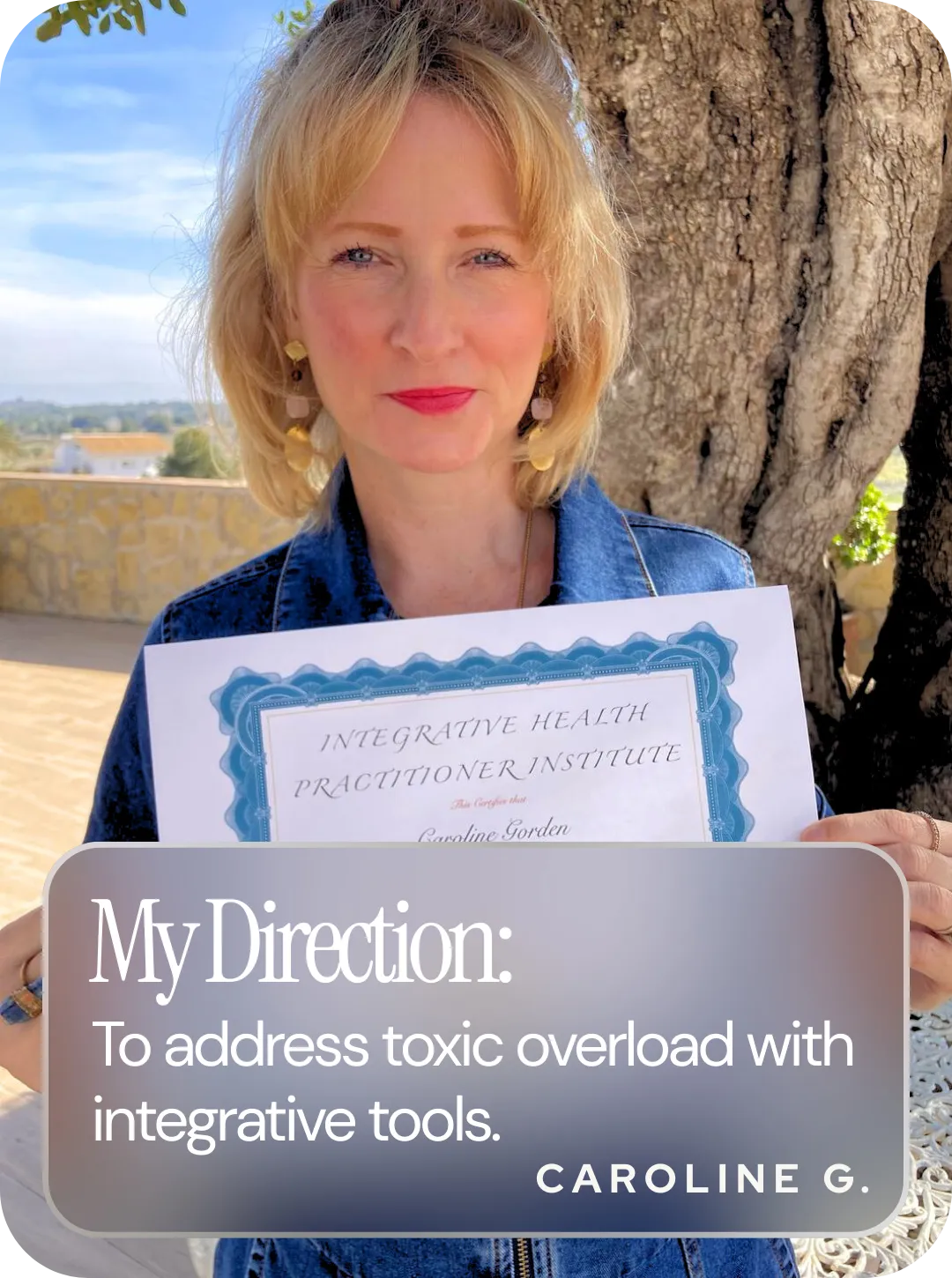

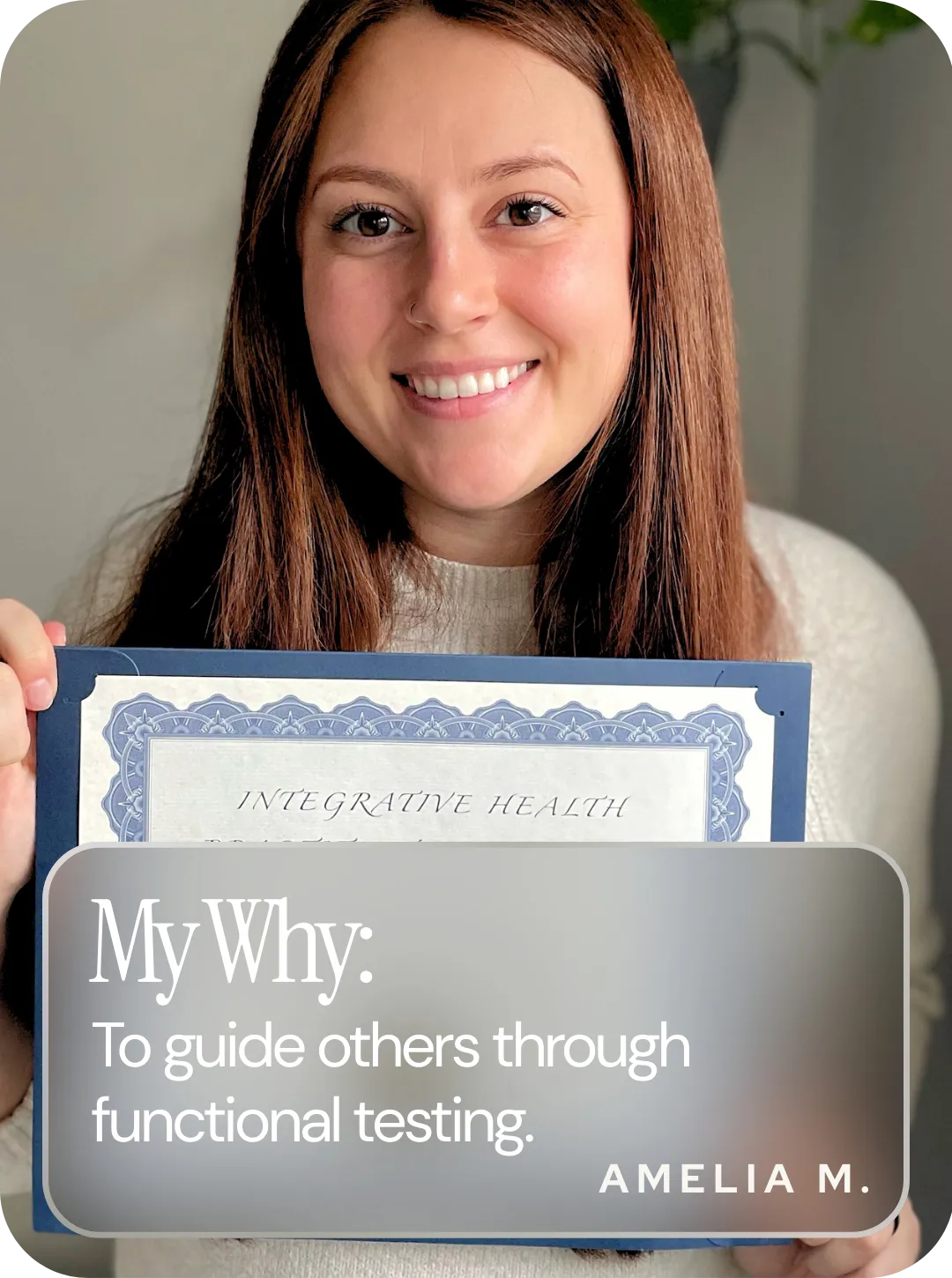
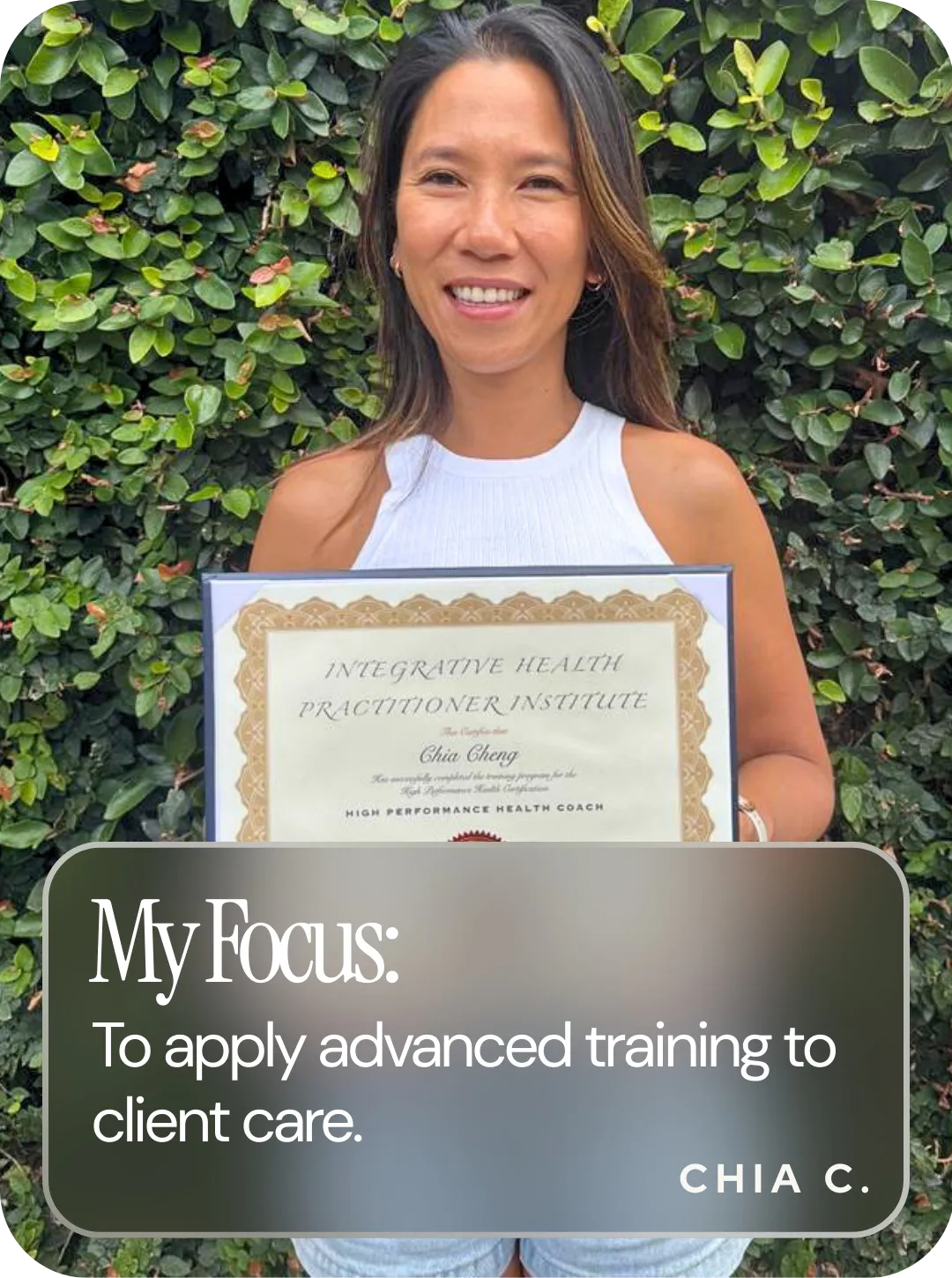
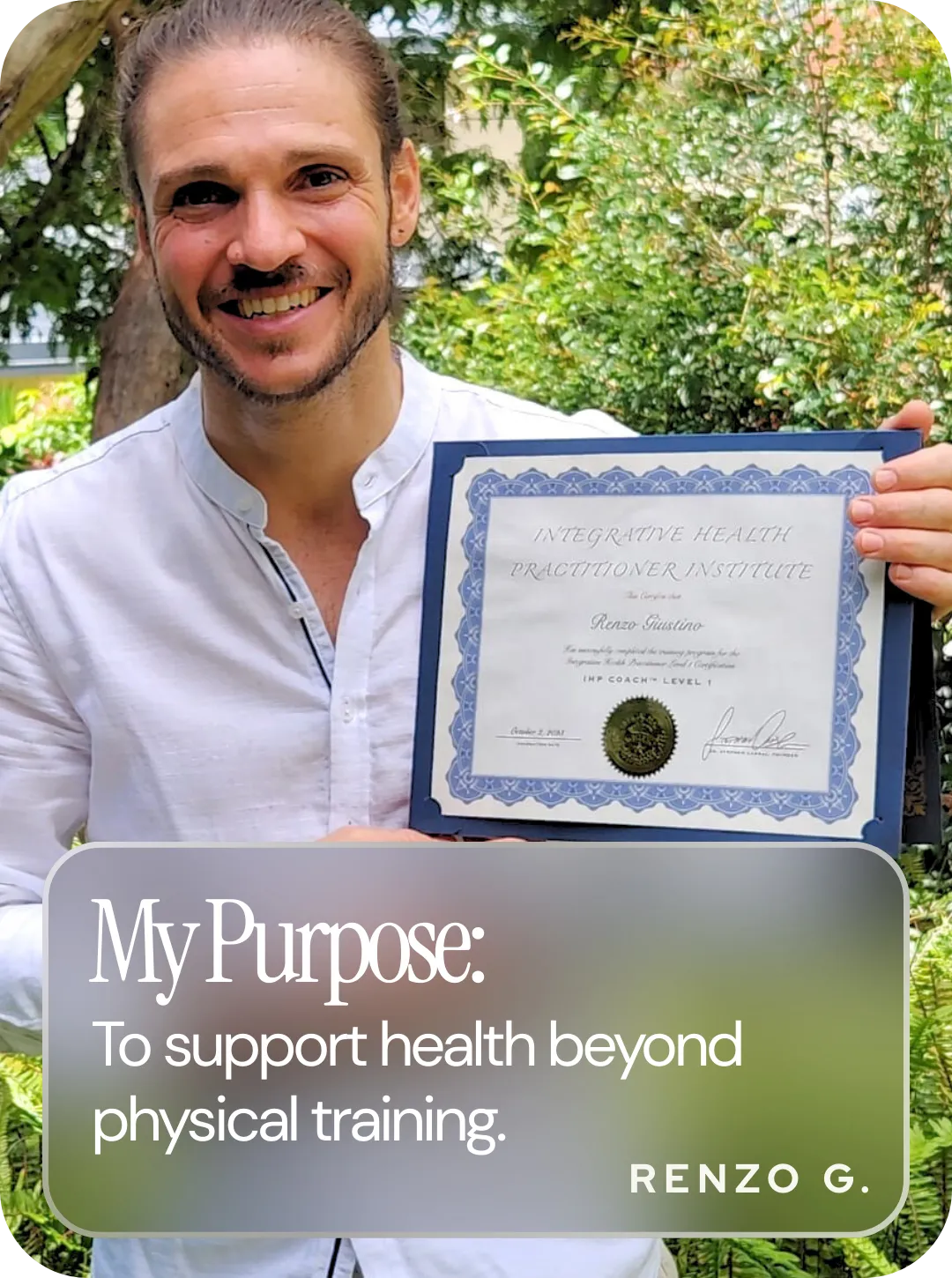

"I decided to enroll with IHP because I quickly could see that it was everything I love (food, mindset, toxins, etc) - the people I spoke with were incredible and I learned that in level two you could learn more about labs. I was sold!"
BRITNEY BOYER, IHP2
"After researching several different educational opportunities, I found IHPI to be the best fit for me. The integrative approach, curriculum, and the format were all aligned with what I wanted to learn and practice."
MICHELE ALESHIN, IHP2
Talk with Admissions
Explore Our Curriculum
Enroll
Now
who we serve
Designed for Where You Are
and Where You’re Headed
IHPI supports people at every stage of their integrative health journey, from personal healing to professional growth. Wherever you are starting, you’ll find the education and tools to move forward with confidence.
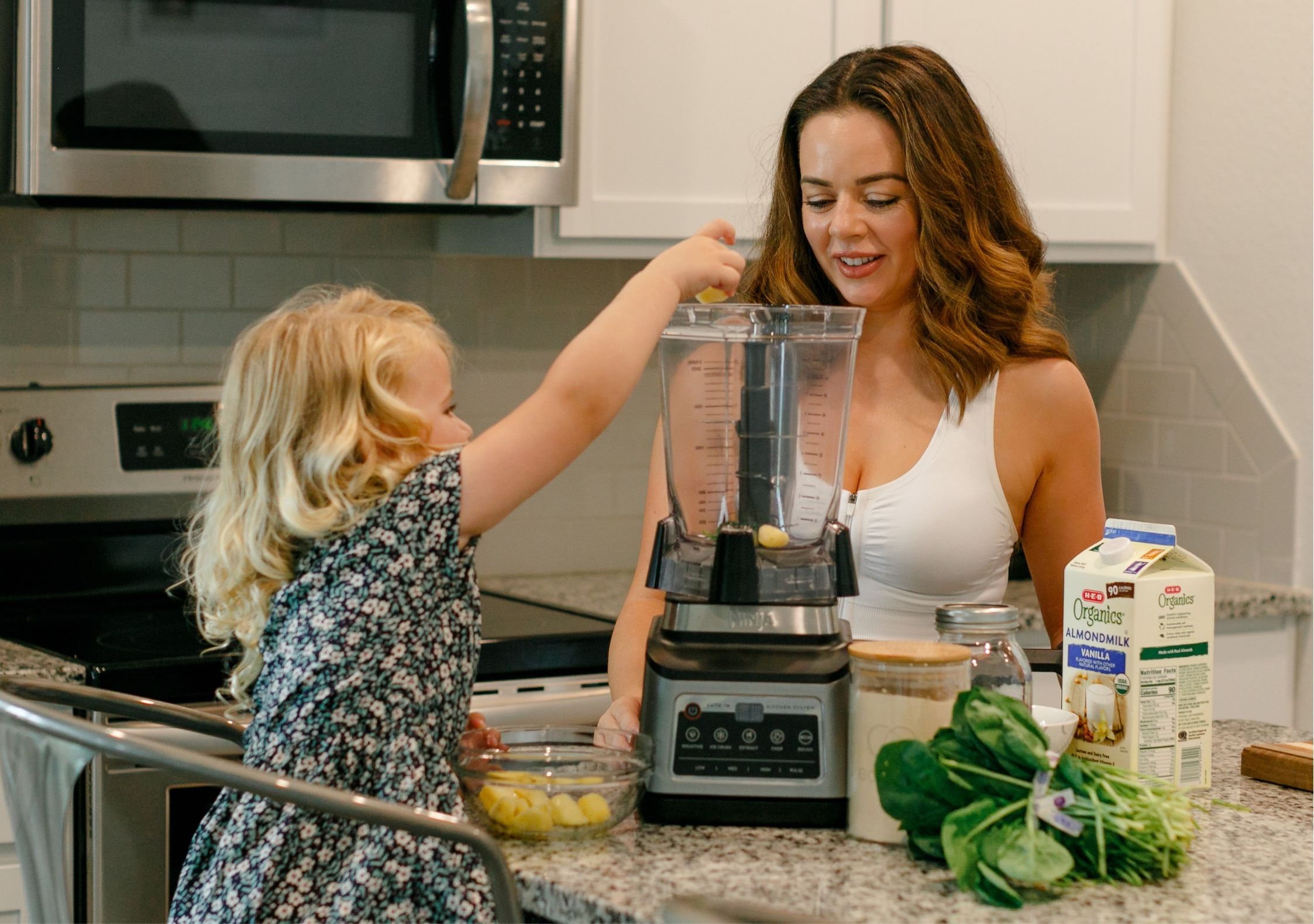
Heal Yourself & Your Family
Empower Your Wellness Journey: Heal Yourself & Your Family
Discover the power of holistic healing and take charge of your family's well-being with our comprehensive resources and guidance.
Expand Your Skillset
Empower Your Practice, Transform Your Impact with an IHP Certification
Elevate your expertise and expand your professional toolkit with an Integrative Health Practitioner (IHP) Certification. Empower your clients with holistic, evidence-based solutions, and transform your impact in the health and wellness industry.


Start a Business
Start Your Wellness Business Journey Today
Ready to turn your passion for health and wellness into a thriving business? Unlock the door to entrepreneurship and make a positive impact on people's lives while creating a career you love.
THE INTEGRATIVE HEALTH PRACTITIONER INSTITUTE
The Gold Standard for
Root-Cause Wellness


Structured, evidence-based training that turns passion into professional practice.
Learn to read At-Home Functional Labs
Explore the foundations and advanced strategies used in real practice.
Apply Real Protocols Used in Clinical Practice
Evidence-based methods ready for immediate application.
Graduate in as Little as 12 Weeks
A focused, structured path that prepares you to start coaching.
Accredited Curriculum & Credentials
Professionally recognized and valued across the wellness industry.
Lifetime Access
Unlike other certifications, IHPI has no ongoing fees to access our curriculum or community.
Global Community
Connect, learn, and grow with practitioners worldwide.
Business Training + Done-for-You Practice Tools
Launch your practice with confidence.






Your Journey Starts Here
Learn more about the IHPI experience and explore real stories from our community.
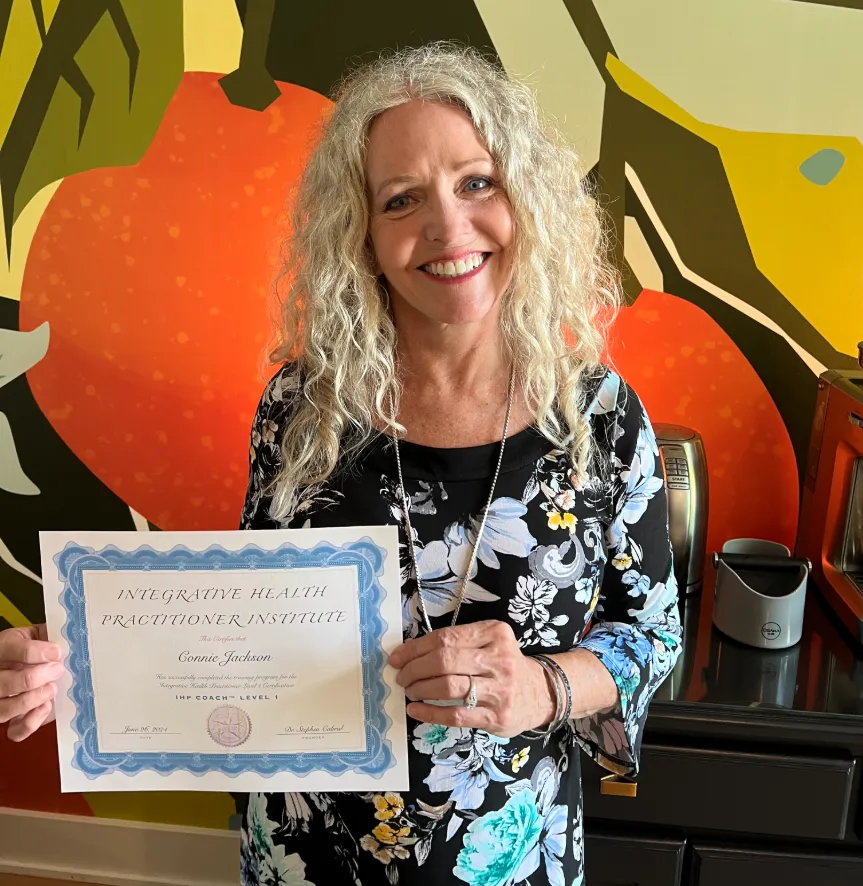
“When I decided to pursue a career in health coaching, I looked at several programs and what they offered. I was impressed right away with the IHP program because it offered so much more than all of the others. Not only do you get all of the necessary training to understand the clinical information, you also get the business part and practical advice on how to get started; pretty much step-by-step!”
CONNIE JACKSON, ihp2
Step Confidently Into Your Future as a Health Coach
Many aspiring health coaches face obstacles that make the path forward feel uncertain. Programs can be scattered, information overwhelming, and next steps hard to navigate. A structured framework makes it easier to translate learning into real-world coaching.

INTEGRATED LAB DATA
We bridge gaps in traditional education by integrating lab data, personalized protocols, and whole-person frameworks into a cohesive system designed for real-world client outcomes.

structured Education
We provide a structured, step-by-step methodology that connects root-cause science to practical, actionable wellness strategies.

MAXIMUM Preparation
We go beyond theory by preparing you with weekly workshops, implementation systems, and business foundations needed to confidently guide clients and build a sustainable practice.
Common Pitfalls in Health Coaching Education
Without the Right Training,
Progress Tends to Stall
Even with passion and dedication, many aspiring health coaches find themselves unsure how to move forward. Learning continues, but without structure or guidance, experience and application are delayed.
Unstructured Learning: Lacking a clear, step-by-step framework for applying knowledge.
Limited Lab Skills: Struggling to use at-home lab results to create actionable wellness strategies.
Lack of Practice & Business Guidance: Missing the tools and support to confidently launch and grow a coaching practice.
"The best part about being a certified IHP2 Health Coach is that I get to pursue my passion of holistic health daily while helping my clients"
Taylor Kaleta, IHp2
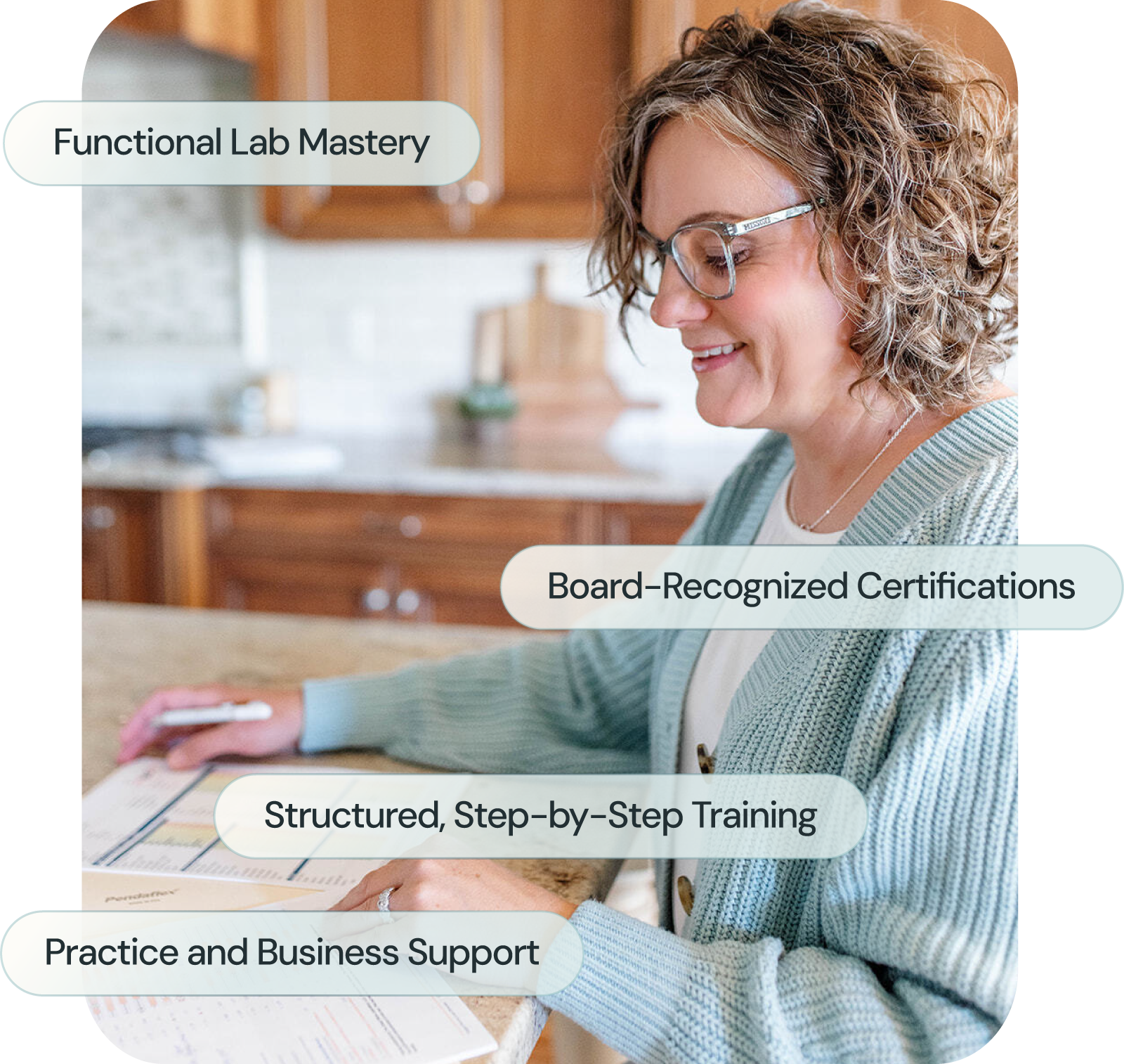
Your Journey to Becoming a Health Coach
Our Accredited Certifications
The IHPI Health Coaching Certifications are designed as a step-by-step program across three levels, each building on the one before. You’ll begin with the foundational principles of health coaching, progress to working with integrative at-home labs, and then advance into higher-level clinical skills. Completing all three levels positions you among the top 1% of health coaches, giving you the knowledge, practical experience, and confidence to support clients at the highest level.

FOUNDATIONS
what you'll learn:
Foundations of integrative health and lifestyle protocols
Dr. Cabral’s DESTRESS Protocol™ for client wellness
Bio-individualized diet and lifestyle strategies for digestion, stress, movement, and emotional balance
Foundational supplement and wellness protocols to personalize care plans
10 modules
105+ hours
85+ handouts
10+ protocols

CORE LABS
what you'll learn:
Understanding At-Home Functional Lab Tests and root cause analysis
Integrative strategies for metabolic, hormonal, and immune balance
Clinical application of personalized nutrition, stress, and sleep protocols
Intermediate supplement protocols and targeted lifestyle interventions
9 modules
115+ hours
120+ handouts
20+ protocols

ADVANCED LABS
what you'll learn:
Mastery of At-Home Functional Lab Tests and system imbalances
Development of customized coaching programs for chronic conditions
Master comprehensive strategies for complex toxicities, hormonal, digestive, cardiovascular, and neurological support
High-level individualized supplement and lifestyle protocol optimization
8 modules
185+ hours
65+ handouts
25+ protocols
Success You Can Measure
Trusted by Thousands of Practitioners
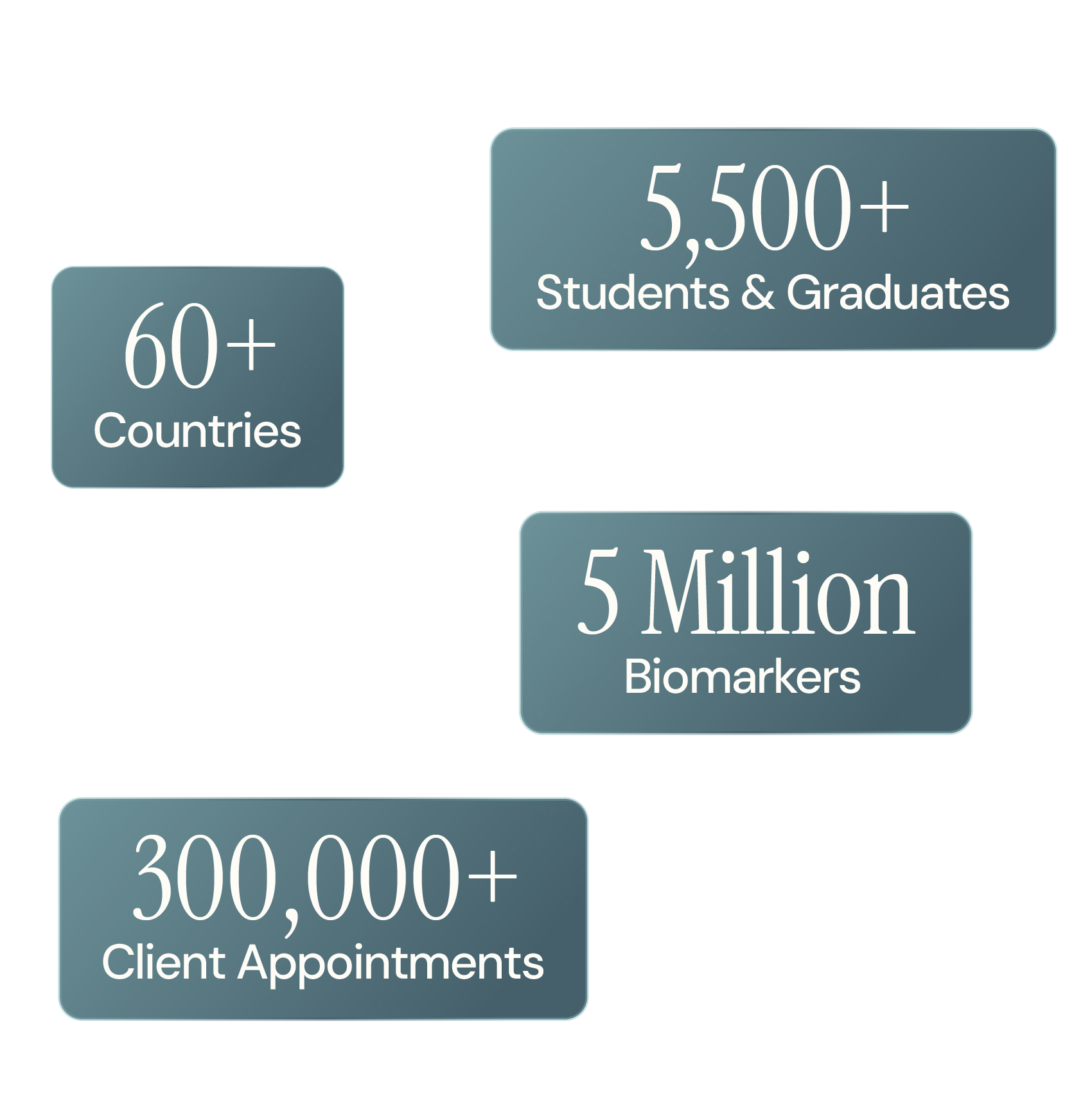
IHPI has trained over 5,500 students and graduates across more than 60 countries. Powered by insights from over 5 million biomarkers worth of data, our practitioners use clinically proven wellness protocols to deliver measurable, root-cause results. Collectively, they have booked over 300,000 client appointments, making a meaningful impact on health outcomes worldwide.
See the Results in Action
Real Practitioners, Real Impact
“I signed up for IHP because I love all things wellness and I wanted to learn all I could about it for my health and my family’s health! I applied my certification to my life and my family’s life in that I continued to clean up our home and food choices. Knowing that our “rain barrels” can only hold so much helps me teach my kids how we can be better with our choices! It is so nice to be a resource for friends who want to learn as well.”

“I researched multiple functional medicine certifications and IHP stood out above the rest as a total package with great guidance and support. I am a registered nurse and realize that traditional medicine is not optimal for healthy living. I was primarily doing it just for my own knowledge, but the further I got into the process the more I realized I wanted my career to follow the natural path.”
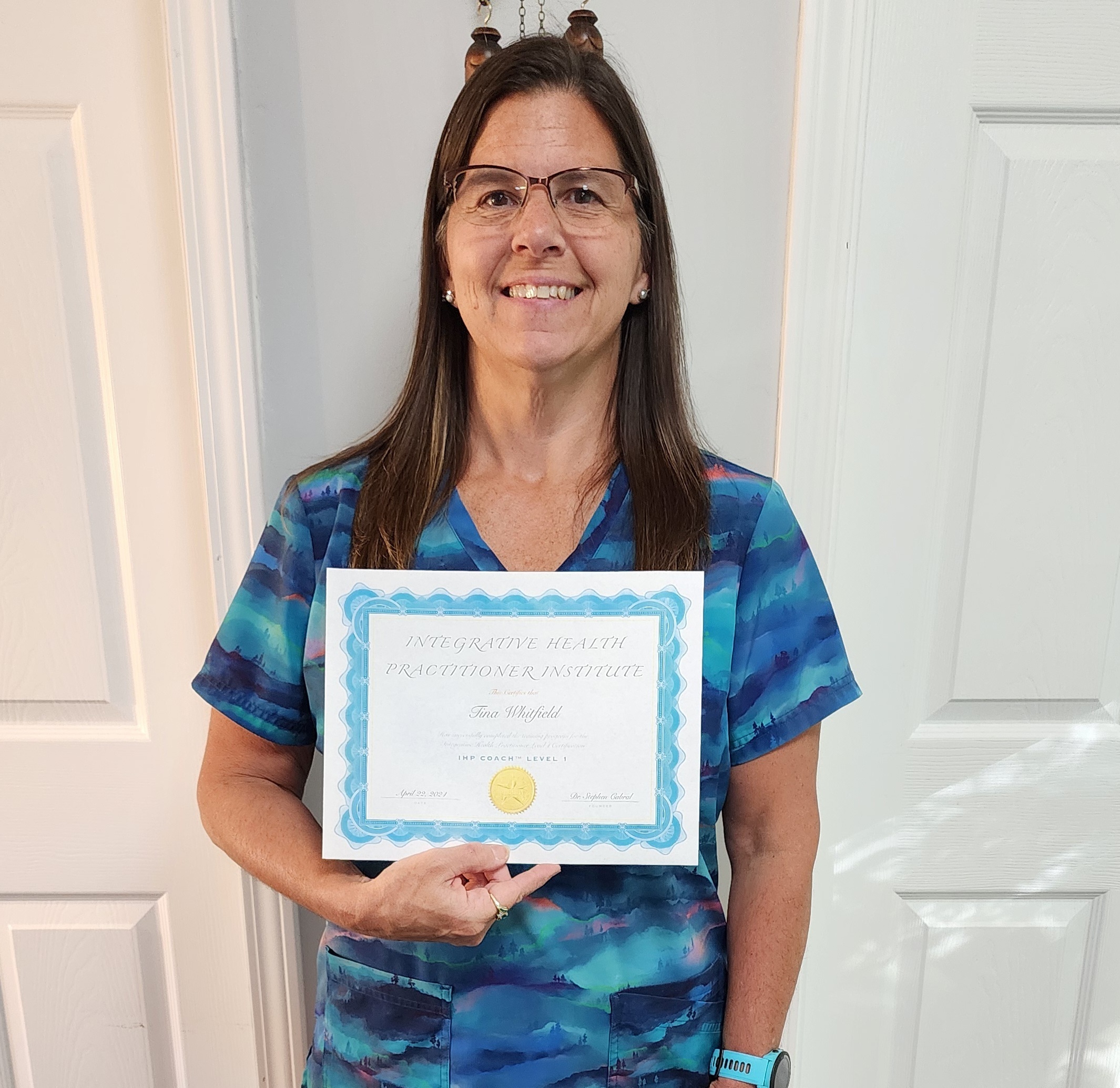
“I was looking for a program that taught on root-cause healing, offered flexible career opportunities and business resources, and didn't break the bank. After considering many doctorate programs, I decided to opt for a masters in functional nutrition but wanted the ability to use functional lab testing in my practice, so IHP was the perfect addition to my education. I love the comprehensive nature of the program, the vision to help as many people as possible truly heal, and the community of uplifting members!”
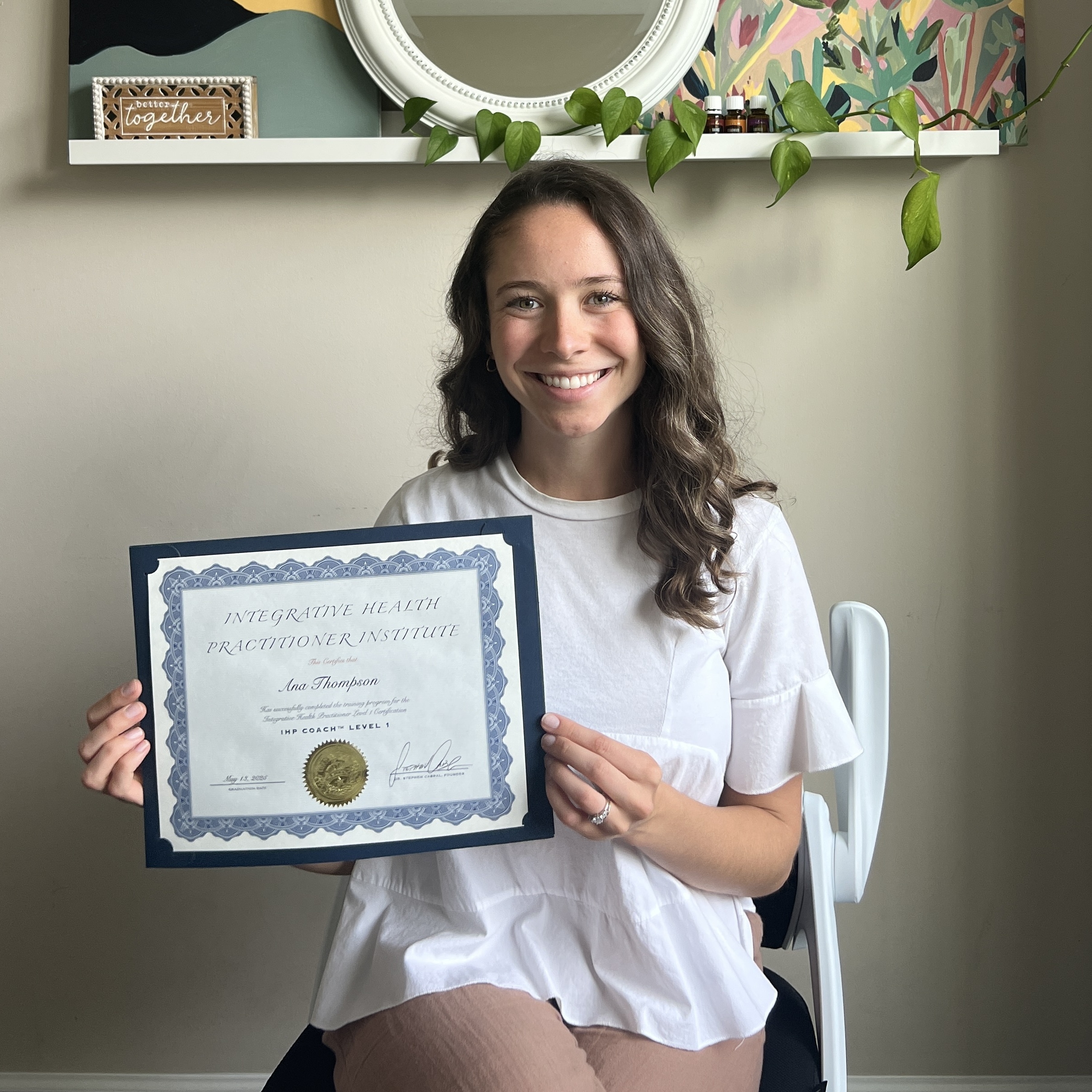
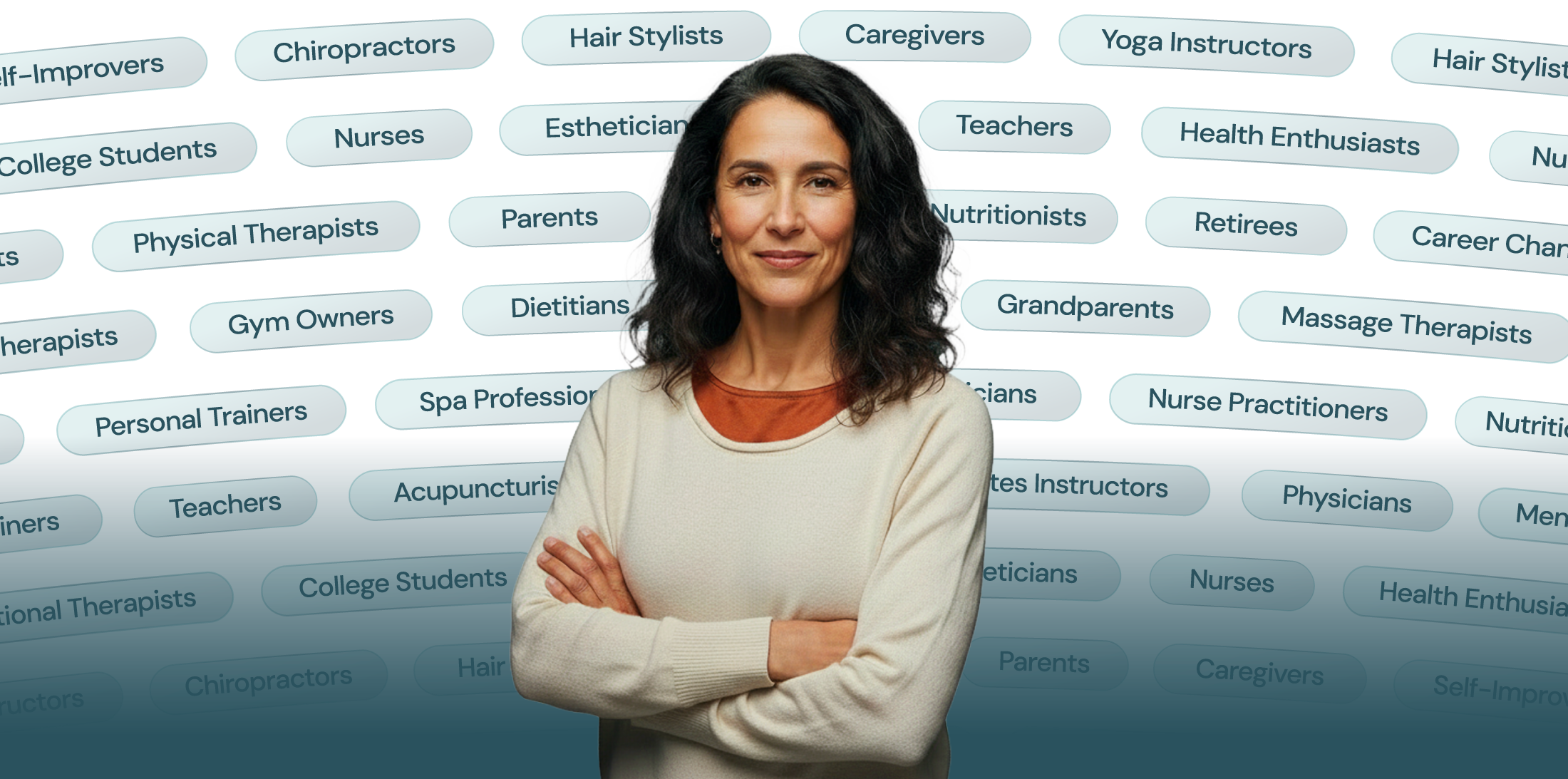
Education That Meets You Where You Are
Who These Certifications Are For
People come to IHPI from many backgrounds and for many reasons. Whether you’re deepening your current work or stepping into something new, the certifications are built to support your path while helping you develop real, usable knowledge.
IHPI'S Founder
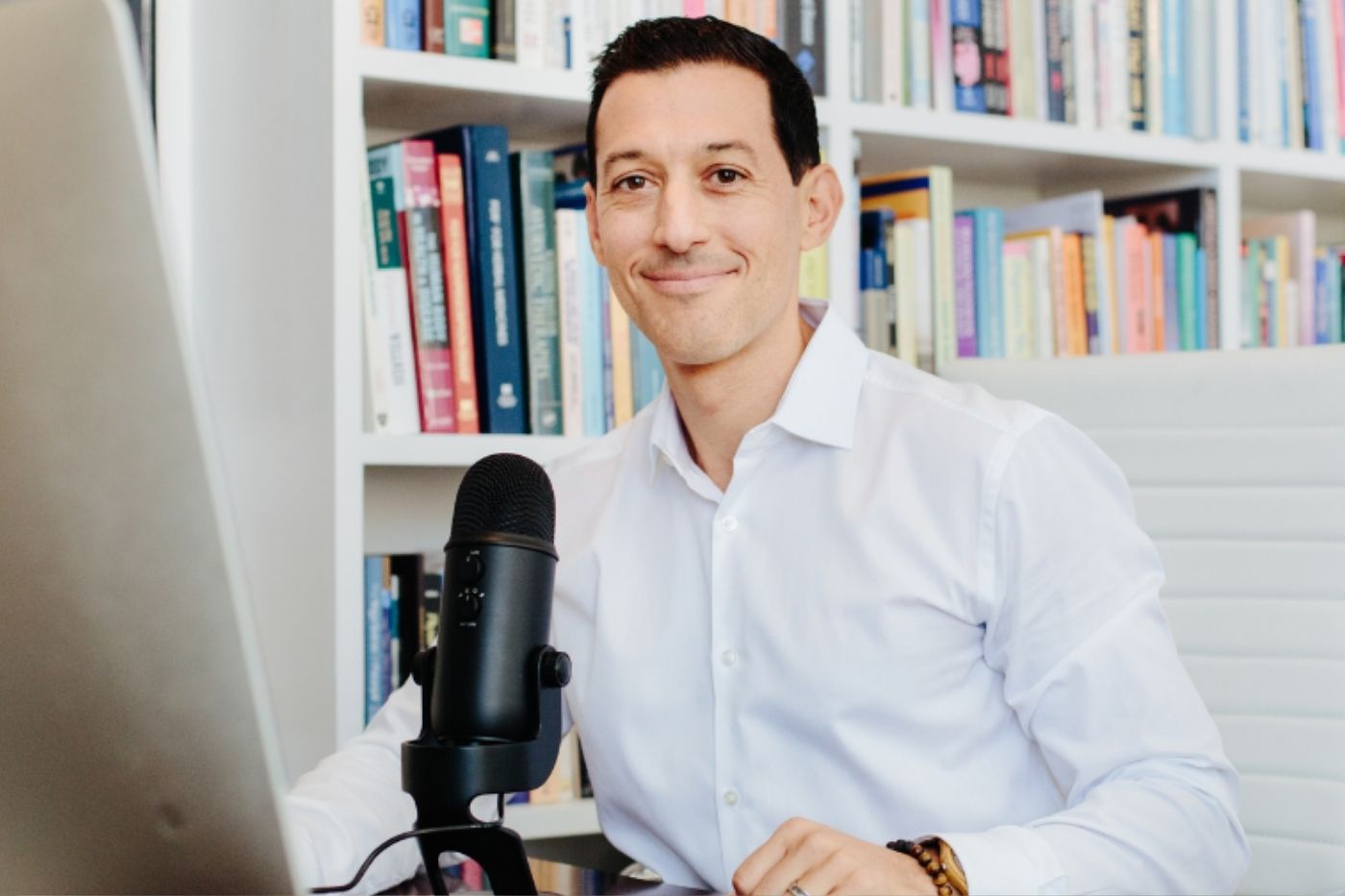
Meet Dr. Stephen Cabral
Dr. Stephen Cabral, a Board Certified Doctor of Naturopathy, is the founder and lead instructor of the Integrative Health Practitioner Institute. With decades of experience in Ayurvedic, Functional & Integrative Medicine, Dr. Cabral is dedicated to training health coaches and practitioners to address root causes, optimize wellness, and support clients at the highest level. His expertise combines clinical insight, evidence-based strategies, and a passion for empowering the next generation of health professionals.
He is currently still in private practice, overseeing the world's largest functional medicine, integrative health practice.


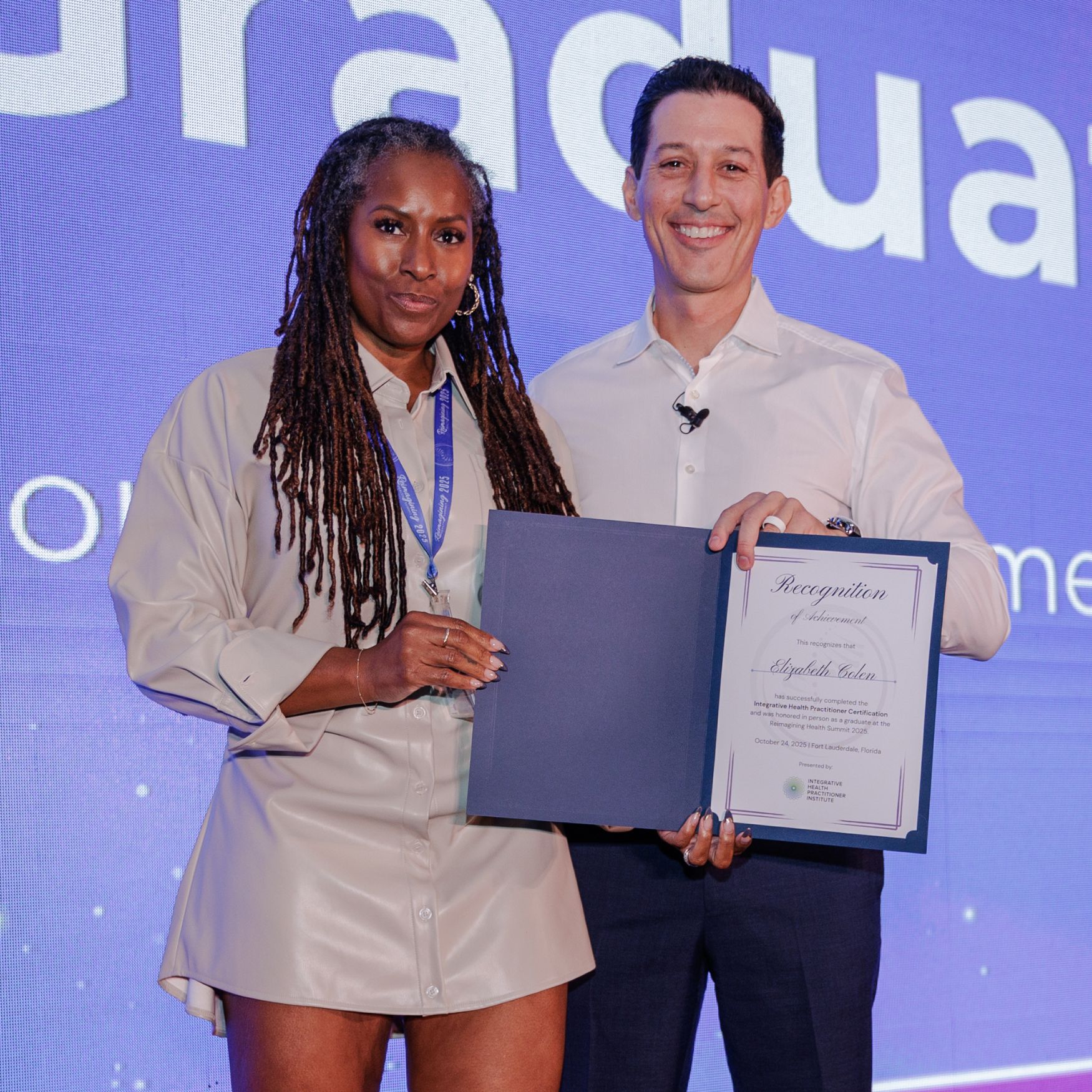

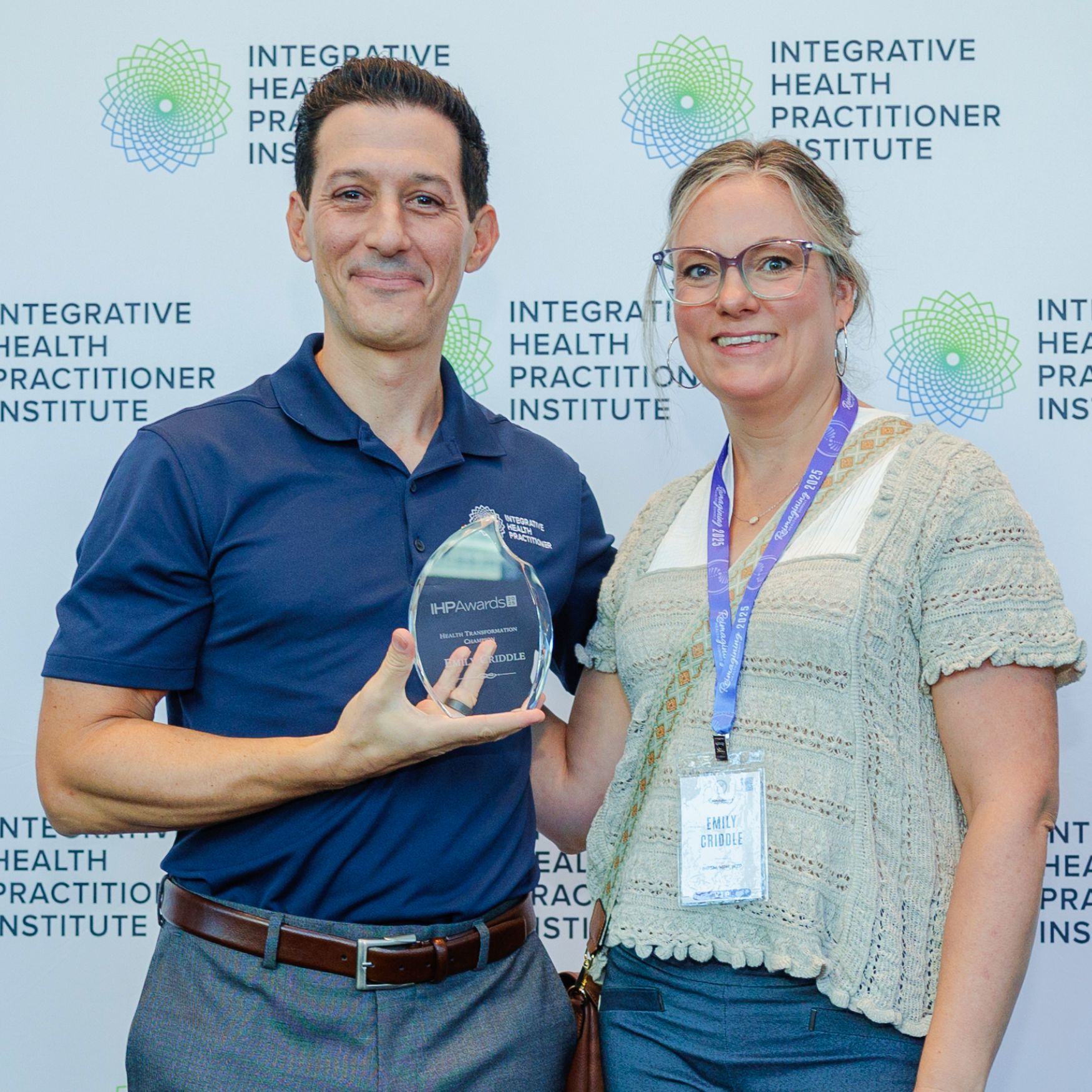
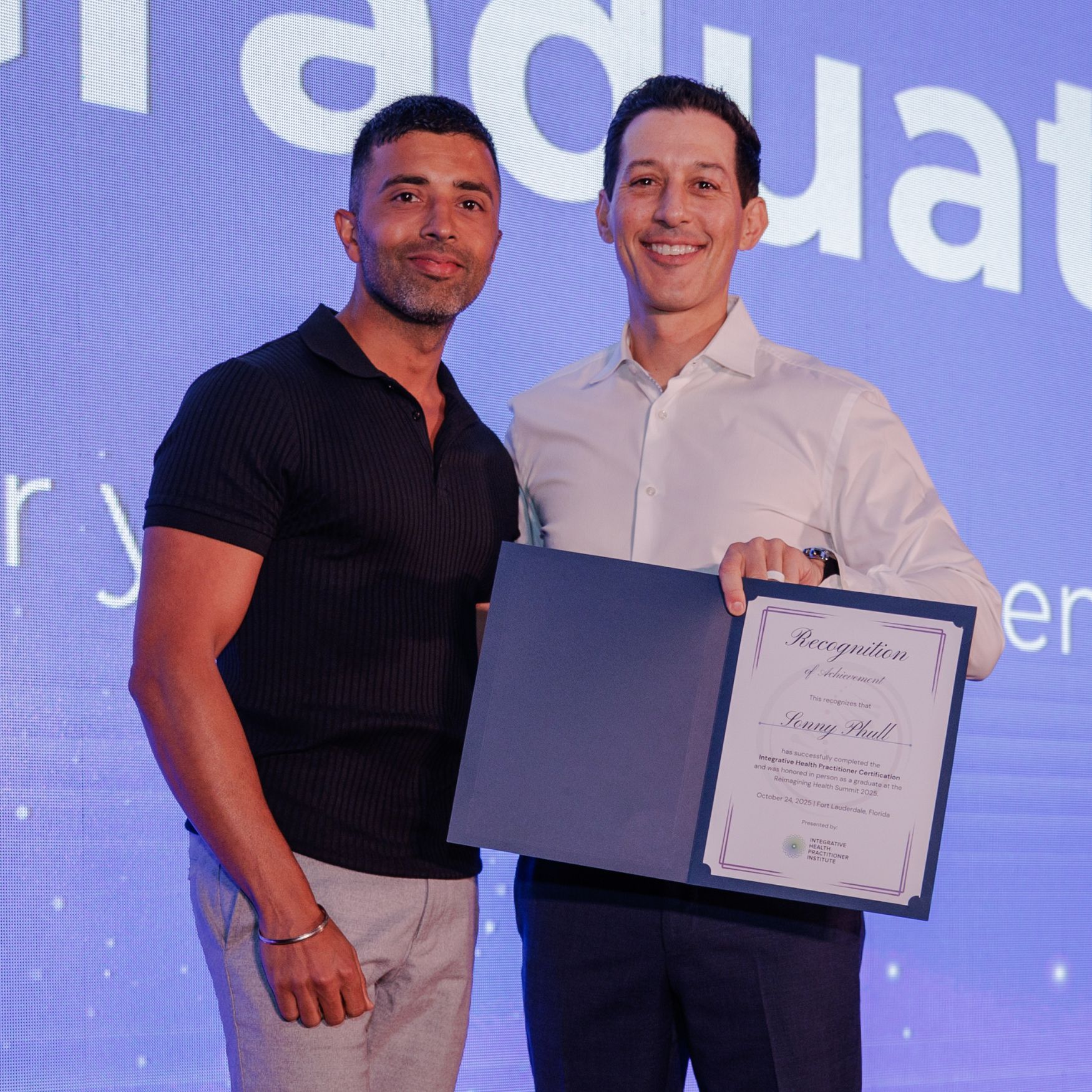
In-Person Graduations
Celebrate Your Achievement in Person
Becoming a Certified Integrative Health Practitioner is no small feat - and you deserve to mark the moment in a meaningful way.
Our in-person graduation ceremony brings you together with your peers celebrate the hard work, growth, and dedication that got you here. Share the milestone with fellow coaches who've walked the journey alongside you, and step into your next chapter feeling proud, inspired, and ready to make an impact.
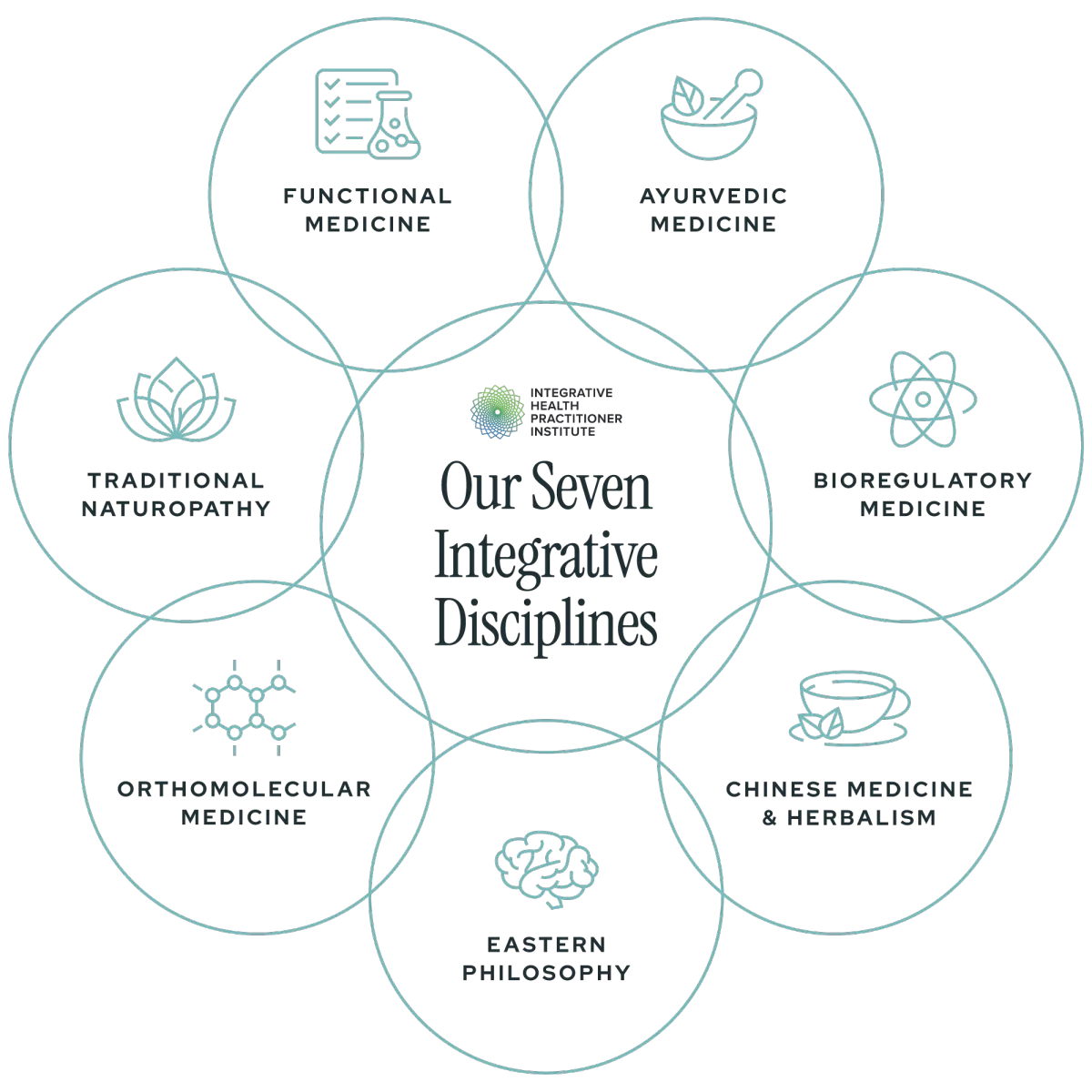
7 Integrative Disciplines
- Ayurvedic Medicine
- Bioregulatory Medicine
- Herbalism (TCM)
- Traditional Naturopathy
- Eastern Philosophy
- Orthomolecular Medicine
- Functional Medicine
Traditional Indian Healing for Body, Mind, and Spirit
Ayurvedic Medicine is one of the world's oldest holistic healing systems, developed more than 5,000 years ago in India, based on the belief that health and wellness depend on a delicate balance between the mind, body, and spirit. It utilizes diet, herbal treatments, and yogic breathing techniques to maintain or restore health according to individual constitutional types.
Enhancing Natural Self-Healing through Integrated Approaches
Bioregulatory Medicine is an integrative approach to health that focuses on restoring the body's self-regulating capacity by reducing toxicity and inflammation. It blends therapies from various medical traditions to enhance the body’s natural healing mechanisms and maintain homeostasis.
Balancing Body and Mind Through Ancient Wisdom
Herbalism is an ancient system of healthcare integrating physical, emotional, and spiritual aspects of wellness, using tools such as acupuncture, herbal medicine, and dietary therapy to balance the body's energies. It is based on the philosophy of Qi (energy flow) and the theory of Yin and Yang, seeking to correct disharmonies within the body.
Natural Therapies for Preventive Health and Wellness
Traditional Naturopathy is a holistic approach to wellness promoting healing through natural therapies and lifestyle interventions, aiming to support the body's own healing abilities. It emphasizes prevention and the use of non-invasive treatments and natural remedies such as herbs, nutrition, and physical therapy.
Foundations of Mind-Body Balance
Eastern Philosophy explores the connection between thoughts, behaviors, and overall well-being, recognizing that mental and emotional patterns influence physical health. This discipline emphasizes awareness and balance, highlighting how lifestyle and stress impact the body.
Optimizing Health Through Biochemical Balance
Orthomolecular Medicine aims to restore the optimal environment of the body by correcting imbalances or deficiencies based on individual biochemistry using substances natural to the body, such as vitamins, minerals, amino acids, and other trace elements. This approach prioritizes prevention and treatment of disease through nutrients at doses intended to promote optimal health.
Harnessing Personalized Healthcare for Root Cause Resolution
Functional Medicine is an individualized, client-centered approach focusing on identifying and addressing the root causes of disease. It uses a systems-oriented model engaging both client and practitioner in a therapeutic partnership.
Confidence in Every Step
Bring Root-Cause Healing to Life
Take control of your own health while gaining the skills to guide others toward lasting wellness. IHPI Health Coaching Certifications equip you to address root causes, provide personalized support, and become the go-to health expert in your community. Every step of your journey builds the confidence and expertise to make a meaningful impact for yourself and those you serve.
Become a confident leader in root-cause wellness
Support clients through detoxification, gut health, hormones, and metabolic balance
Develop credibility clients recognize and respect
Work with clients in a structured, professional way
Get clients the results that they expect
Build or expand a sustainable health-focused practice
Support Beyond the Classroom
A Community Built for Practitioners
Your education is just the beginning. At IHPI, connection is built into every step of the journey. You’ll join a supportive network of practitioners who share insights, exchange experiences, and grow together. This community creates space for meaningful relationships, collaboration, and continued growth long after certification.
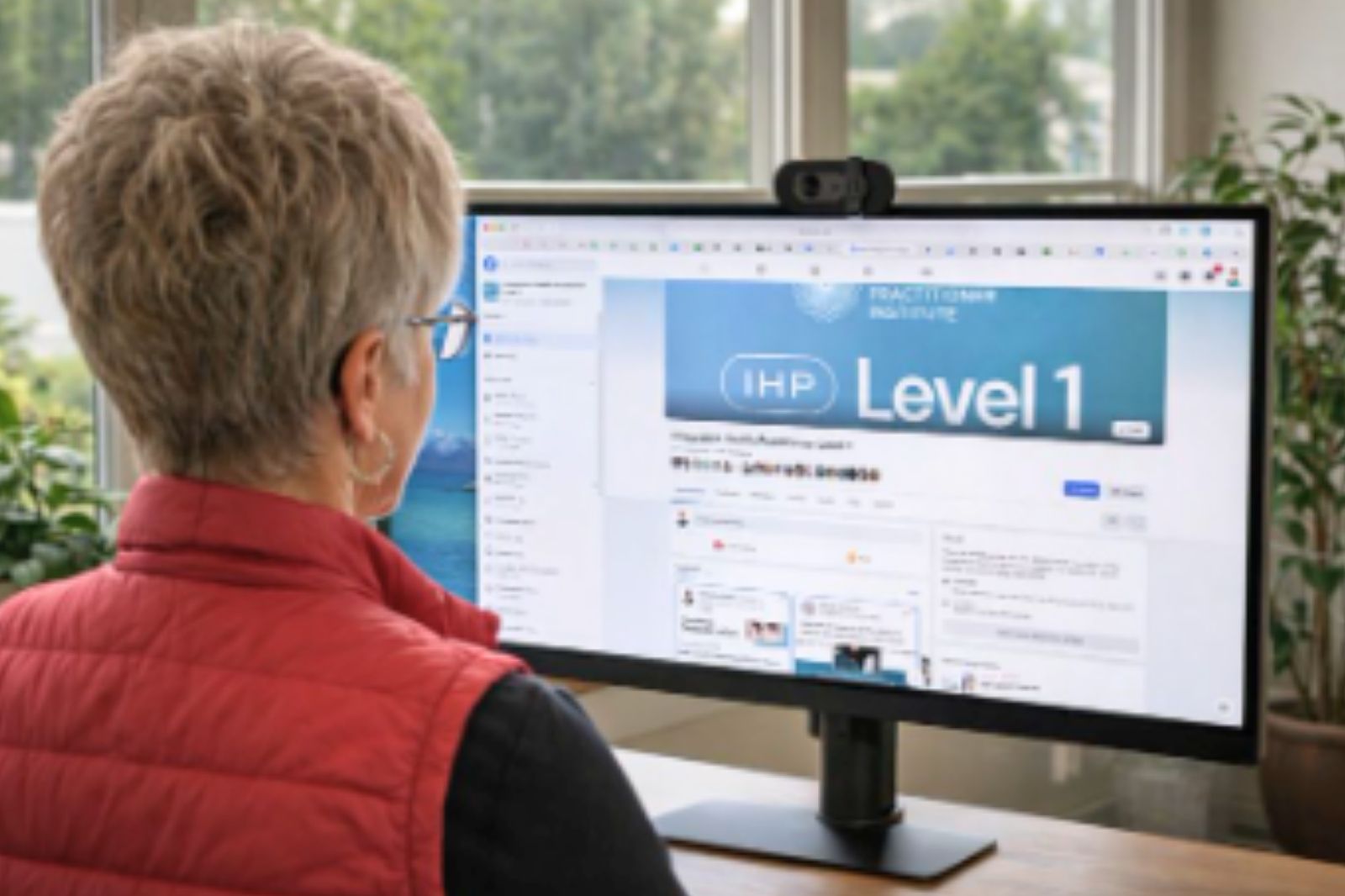
Facebook Groups
Ask questions, share experiences, and get real-time support from fellow practitioners.
Weekly Workshops
Connect with our IHPI instructors, exchange ideas, and receive guidance from trusted peers.

Lifetime Support
Access lifetime tools, mentorship, and support to grow with the IHPI community.

Live Event
Build real-world connections at the Reimagining Health Summit with fellow practitioners.
"Everyone [in our practice] is tested and then we react based on what those tests tell us and it's very conclusive"
ADRIAN ACCAY, IHp2
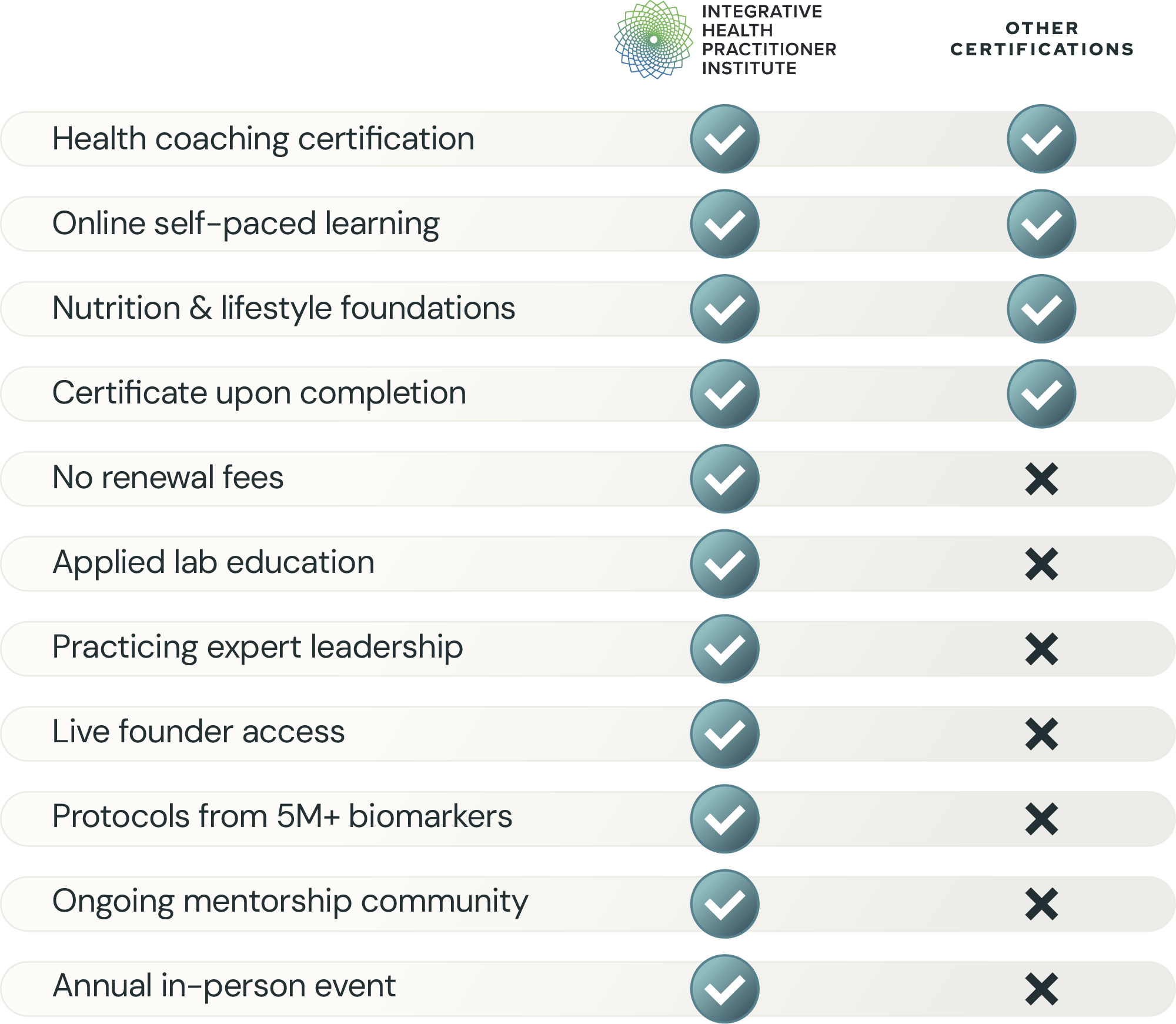
The Definitive Root-cause health coaching certification
Why IHPI Leads the Industry
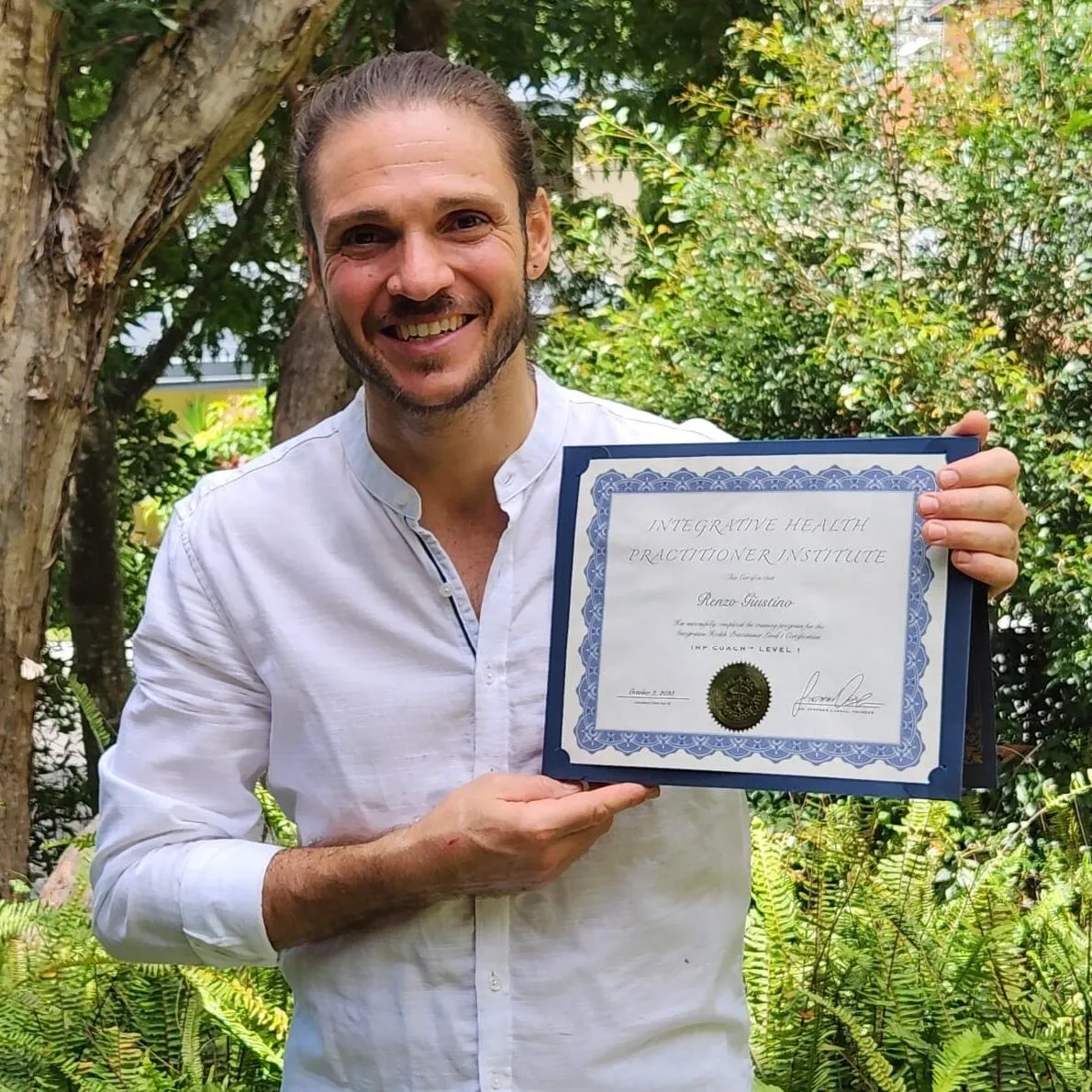
"Working with IHPI has been a game-changer for me! I came into the coaching process feeling lost and unsure about my career path. Through insightful discussions and tailored strategies, I gained clarity on my goals and developed a concrete plan to achieve them. I now feel empowered and motivated to take action, and I couldn't be happier with the progress I've made!"
Renzo Giustino, ihp
Step Into Your Future
Learn more about the program and explore real experiences from our community.
THE ANNUAL IHPI LIVE EVENT
Where Integrative Health Comes to Life
3
DAYS
20+
speakers
400+
practitioners
25+
vendors
In-Person Learning Experience
The Reimagining Health Summit is our annual live event for IHPs ready to expand their knowledge, refine their approach, and connect with a like-minded community shaping the future of health and wellness.
"I wanted another perspective, and I really, really wanted the lab education... to help anybody in any way, shape or form that I can"
KRISTI HUJIK, IHp3
Your Next Step
You Were Made to
Help People Heal
You have the power to change lives. With IHPI, you can turn your passion into purpose, gain the skills to support real health transformations, and build a meaningful career.
faq
Your Common Questions, Clarified
We understand that choosing the right certification path is a big decision. Here are answers to the questions we hear most often:
DO I NEED A BACKGROUND IN HEALTH
No.
IHPI was built for aspiring practitioners and licensed professionals alike. The curriculum begins with strong foundations and progresses into advanced functional lab education, structured wellness protocols, and defined clinical frameworks.
You are trained inside a structured, professionally designed system, not left to rely on guesswork.
If you are committed to becoming skilled, you can succeed here.
IS IHPI ACCREDITED?
Yes.
IHPI maintains recognized accreditations in the health and wellness education field and is approved by the National Board for Health and Wellness Coaching for continuing education.
Our curriculum is reviewed to meet continuing education standards and uphold academic rigor and institutional accountability.
Accreditation reflects integrity. Outcomes reflect strength.
WHAT MAKES IHPI DIFFERENT FROM OTHER HEALTH COACHING PROGRAMS?
Most health coaching programs focus on habit change and general wellness support.
IHPI trains practitioners in functional lab education, root cause methodologies, and structured clinical systems so you can confidently work with complex cases.
You graduate with:
- Evidence-based protocols
- Defined client workflows
- Practical clinical frameworks
- Clear scope of practice training
- A globally respected certification
More than 5,500 certified practitioners across 60+ countries have completed IHPI training.
This is where practitioners are built.
HOW LONG DOES CERTIFICATION TAKE?
Most students complete IHP Level 1 in 3 to 6 months, though it can be finished in as little as 12 weeks with consistent study.
IHP Level 2 also takes approximately 3 to 6 months.
- Level 1 modules release weekly
- Level 2 modules release every two weeks
- Plan for about 3 hours per week
Structured pacing with flexibility. The more consistently you study, the faster you progress.
CAN I LEGALLY COACH AFTER GRADUATION?
Yes, within the defined scope of health coaching.
Graduates are trained to:
- Provide lifestyle and wellness guidance
- Apply structured functional wellness protocols
- Review lab data within educational scope
- Collaborate with licensed providers
We do not train diagnosis or disease treatment.
Because regulations vary by state and country, confirm requirements within your local jurisdiction.
We train professionals who operate ethically and confidently within clearly defined boundaries.
WILL I FEEL CONFIDENT WORKING WITH CLIENTS?
Confidence comes from structure.
You are trained inside repeatable systems, defined frameworks, and guided case application.
By graduation, you know how to:
- Organize client information
- Apply structured protocols
- Communicate clearly
- Stay within scope
Clarity builds confidence.
IS THIS CERTIFICATION RESPECTED IN THE INDUSTRY?
IHPI certifications are held by 5,500+ practitioners in 60+ countries.
Graduates have been hired by:
- Wellness centers
- Private practices
- Functional health clinics
- Integrative health organizations
Many also build successful independent practices.
Our reputation is built on structured education, professional standards, and consistent practitioner outcomes.
WHAT KIND OF SUPPORT WILL I RECEIVE?
IHPI limits enrollment each month to protect mentorship quality.
Students and graduates receive:
- Monthly live faculty Q&A calls
- A dedicated student and graduate mentor
- An active IHP Facebook community
- Direct support from our responsive team
You are not navigating this alone.
Because enrollment is capped monthly, early enrollment is encouraged.
DOES IHPI OFFER PAYMENT PLANS?
Yes.
IHPI offers various payment plan options based on the individual and the certification pathway selected.
We understand that investing in professional education is a meaningful decision. Speaking with an Enrollment Advisor is recommended to gain clarity on which payment options are available to you and determine the best fit for your situation.
Our team will walk you through the options transparently so you can move forward with confidence.
IS THIS RIGHT FOR ME?
This program may be right for you if:
- You have seen the limitations of the conventional model and want a more comprehensive approach
- You want more than surface level coaching
- You are tired of guessing with client lab work
- You want structured systems, not scattered courses
- You want to be taken seriously in the industry
IHPI provides the systems and professional standards that turn uncertainty into confidence.
If you are ready to build real skill and help clients find answers, you are in the right place.
Join a Global Community of Practitioners
Request Program Information
Whether you are beginning your healing journey or advancing your expertise, IHPI is designed to support real transformation. Request details and see how our certifications can fit into your path.





Receive articles, tips,
and offers from IHPI
© 2026 Integrative Health Practitioner Institute LLC. All rights reserved. By accessing or using any page on integrativehealthpractitioner.com, you have agreed that you have read, understood, and will abide by the Terms of Use, Full Disclaimer, Privacy Policy, and Affiliate Disclosure.