
“When health coaches overcome imposter syndrome, they become fully present, confident, and more effective guides for clients.”
Do you ever feel like a fraud despite your achievements? Even skilled health coaches often struggle with hidden doubts. Imposter syndrome can quietly sabotage confidence, reduce focus, and prevent you from fully connecting with clients. As the new year begins, setting a goal to overcome these self doubts can transform both your personal growth and your coaching impact. In this blog we explore how imposter syndrome affects coaches, why overcoming it matters, and how the IHP Mastery Health Coaching Certification can help.

What the Research Says About Imposter Syndrome
Research shows that imposter syndrome is widespread across professions and populations. A 2025 meta‑analysis of 30 studies including 11,483 participants found that approximately 62 percent of high achievers experience imposter syndrome at some point. A broader review of 62 studies with 14,161 participants confirmed that this phenomenon occurs across genders, age groups, and professional fields, and often coexists with anxiety, burnout, and self doubt.
Even in healthcare settings, this phenomenon is common. A study of 457 Swedish medical students found that 58 percent reported frequent or intense impostor feelings, and higher imposter scores were linked to lower resilience.
Research also highlights that imposter syndrome drives perfectionism and chronic self doubt, which can prevent professionals from reaching their full potential. For health coaches, these tendencies may limit confidence, presence, and effectiveness with clients.
How Imposter Syndrome Inhibits Health Coaches

Imposter syndrome affects health coaches in multiple ways. First, it reduces presence with clients because coaches worry constantly about proving themselves. This distraction limits active listening, empathy, and support. Second, coaches may avoid challenges or growth opportunities because they feel unqualified. Third, self doubt can make communication seem hesitant, which can weaken trust. Finally, ongoing anxiety and overwork contribute to emotional fatigue and burnout, reducing long term effectiveness.
Why Overcoming Imposter Syndrome Supports Better Client Results
When coaches overcome this phenomenon, they regain confidence and focus. They become more authentic, present, and emotionally available. As a result, clients feel safer, understood, and more supported, which strengthens the coaching relationship. Coaches are more willing to try new approaches and grow professionally, which leads to deeper client transformations. Lower stress and burnout allow coaches to maintain engagement, providing more consistent and powerful results. Research shows structured support such as mentorship, reflection, and peer learning reduces self doubt among healthcare professionals.
How the IHP Mastery Health Coaching Certification Helps
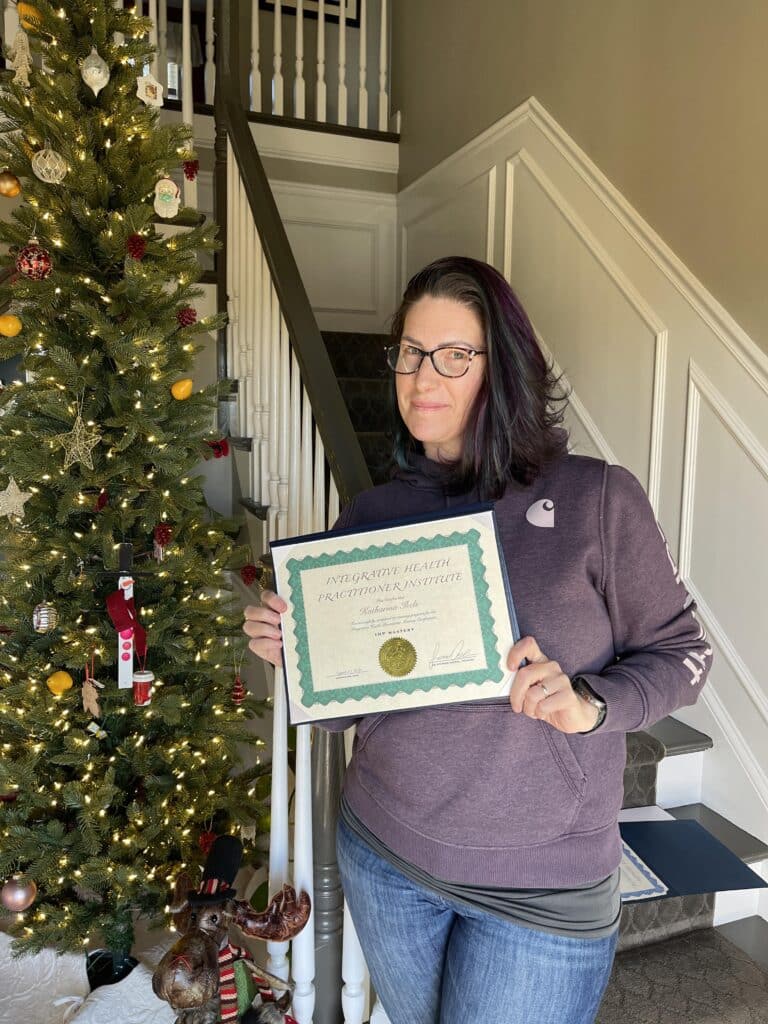
At the Integrative Health Practitioner Institute, Module 11 of the IHP Mastery Health Coaching Certification focuses on overcoming imposter syndrome. The module teaches reflection techniques to reframe self doubt, coaching practices that build confidence, and peer support strategies to share experiences. It also provides tools to integrate mindset, science, and client centered presence. Completing this module helps coaches gain clarity, confidence, and competence while enhancing client impact.
Stepping Into Confidence This New Year
Self doubt affects many high achieving professionals including health coaches. Left unaddressed, it steals focus, reduces confidence, and limits effectiveness. As you set goals for the new year, committing to overcome imposter syndrome can restore presence, clarity, and empowerment. By using evidence based strategies and engaging with our IHP Mastery Health Coaching Certification, coaches can step fully into their power and provide stronger, more effective support for clients.
For more on how mastering advanced coaching skills transforms client results, check out this blog: Motivational Interviewing and Active Listening: Why Health Coaches Need Both