

“When a coach truly hears a client through empathy, reflection, and clear respect, change becomes possible.”
Many clients struggle to make lasting lifestyle changes even when they deeply want better health. As a result, Health Coaches often look for proven methods that inspire action without pressure. Motivational interviewing and active listening offer a science-backed way to build trust and spark internal motivation. These skills help clients feel understood, capable, and supported. In this blog, we explore how motivational interviewing and active listening improve coaching outcomes.

What Is Motivational Interviewing and Why It Matters
Motivational interviewing is a client-centered conversational style that respects autonomy and explores personal motivation. Instead of pushing change, coaches invite clients to express their own reasons. Therefore, the client feels seen and empowered. Moreover, this approach reduces resistance and improves commitment to change.
Motivational interviewing helps clients voice ambivalence and reflect on their goals. Then, coaches respond with empathy, ask open questions, and support confidence. As a result, clients often feel more willing to take action. According to a study published through the National Institutes of Health, motivational interviewing improved behavior change across diet, exercise, addiction recovery, and stress management. In addition, a 2020 PubMed review reported that motivational interviewing significantly improved physical activity, nutrition habits, stress management, and overall health responsibility in health coaching settings.
How Active Listening Strengthens Coaching
Active listening means being fully present, showing empathy, and reflecting what the client shares. It includes open questions, paraphrasing, and summarizing to ensure clarity and emotional safety. When a coach listens actively, clients feel validated and supported. Consequently, trust grows and communication deepens.
Research supports that active listening improves client outcomes. In a large meta‑analysis of over 6,000 therapy clients, stronger therapist empathy consistently predicted better results. A controlled experiment showed that participants who experienced active listening reported a greater working alliance, stronger positive feelings, and higher satisfaction. Furthermore, neuroimaging evidence revealed that perceiving genuine active listening triggers reward‑center activity in the brain and boosts emotional safety. Together these findings confirm that active listening helps clients feel understood, builds trust, and supports deeper engagement in change.
For Health Coaches, this means clients feel more comfortable sharing fears, doubts, and challenges. Then, coaches can guide clients more gently and effectively toward meaningful change.
How to Use Motivational Interviewing and Active Listening

First, begin each session with genuine empathy and respect. Noticing emotions and acknowledging effort helps clients feel safe.
Next, ask open-ended questions to encourage reflection. For example, ask “What changes are most important to you right now?” instead of “Do you want to change?”
Then, reflect and paraphrase what the client expresses. For instance, saying “You feel hopeful yet uncertain about this new habit” builds clarity and trust.
Also, affirm strengths and progress. Even small wins matter. Acknowledging effort promotes confidence and keeps motivation high.
In addition, explore ambivalence without judgment. Asking “What feels exciting about this goal” and “What worries you about this goal” invites honesty and awareness.
Finally, collaborate on action steps once the client feels ready. Even a small shift can build momentum. It is important to maintain active listening throughout the process to support openness and trust.
Strengthen Your Skills With the IHP Mastery Health Coaching Certification
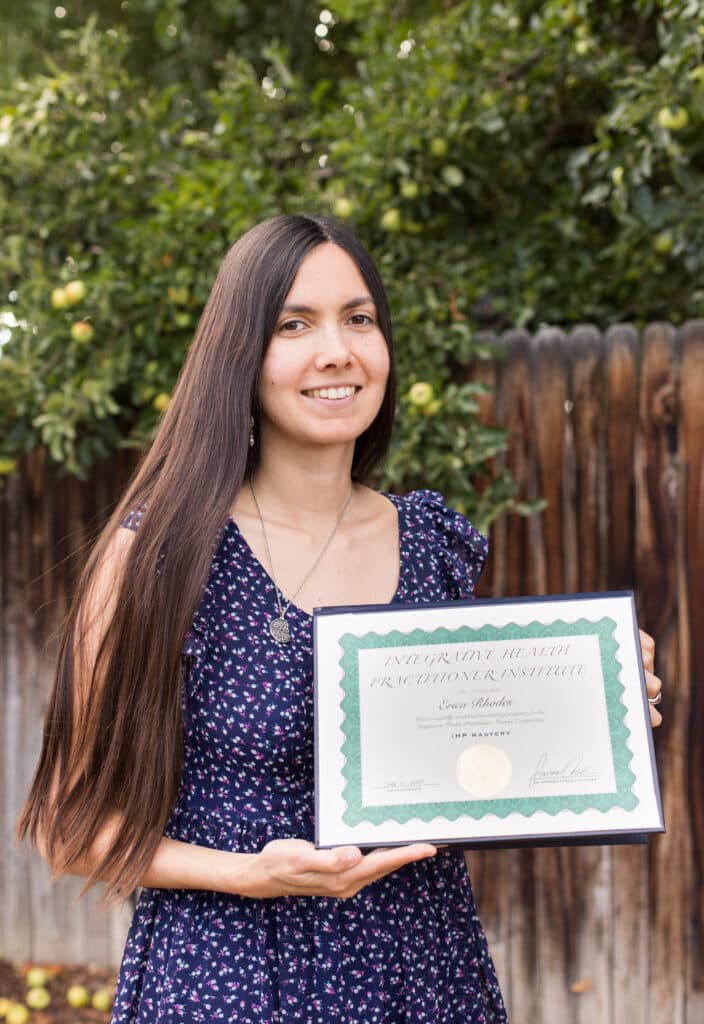
IHP Health Coaches who want to master motivational interviewing and active listening can learn both through the IHP Mastery Health Coaching Certification at the Integrative Health Practitioner Institute. This advanced program teaches evidence-based communication methods, behavior change strategies, and real coaching applications. As a result, coaches gain confidence, improve client outcomes, and create deeper transformations in their practice.
If you want to hear these ideas in conversation, listen to episode 415 of the Health Coach Success Podcast: The Right Client Prompts for Lasting Change with Julia Hayes. In that episode, Julia discuss how asking the right questions deepens client insight, builds trust, and supports lasting change.
Unlocking Lasting Change
Motivational interviewing empowers clients to discover their own motivation. Active listening builds deep trust and emotional safety. Together, these skills create higher engagement, stronger follow-through, and more consistent long-term results. Clients feel supported rather than pressured, which increases their willingness to change.
Therefore, Health Coaches who master both become confident leaders in their clients’ transformation. When coaches learn how to listen with intention and guide with empathy, every session becomes more meaningful and effective. As a result, clients experience breakthroughs that would not happen through generic advice alone.
Now is the time to elevate your communication skills. Developing motivational interviewing and active listening will not only strengthen your coaching results, it will also shape your identity as a trusted professional who truly helps people change their lives.
For more on how mastering advanced coaching skills transforms client results, check out this blog: How IHP Mastery Transformed Alicia’s Coaching and Community Impact